Creating Commercial Value Still Drives Everything
The Hard Truth About Pro Photography in 2026

Let me be straight with you.
The barrier to entry in photography is lower than it has ever been.
Smartphones are better.
AI tools are everywhere.
And the volume of images being created every single day is overwhelming.
But here is the part most people still don’t want to hear.
Most of those images still aren’t worth paying for.
That hasn’t changed.
If anything, it has become even more true.
So if you are serious about building a career in this industry, you still need to ask yourself one question every single time you make pictures.
“What makes this image commercially viable?”
If you can’t answer that clearly, you’re going to struggle to create consistent income.
Because the photographers who are winning right now are not just making beautiful images.
They are making images that solve real problems and create measurable value.
The Mindset Shift That Still Changes Everything
One of the biggest mistakes I continue to see photographers make is this.
They shoot what they love and hope someone will pay for it.
And I understand why.
That’s how most people fall in love with photography in the first place.
But passion on its own has never paid the bills.
And it definitely doesn’t in today’s market.
You have to balance what you love with what the market actually needs.
Every time you make a picture, I want you asking yourself this.
“Would someone pay me for this?”
Not someday.
Not maybe.
Right now.
I’ve seen this shift change everything for photographers.
One of the shooters I worked with was deep into street photography.
He was making strong images.
Interesting moments.
Great compositions.
But no one was hiring him.
He kept asking why people didn’t see the value.
The answer was simple.
There was no clear commercial use.
Once he shifted his focus toward what businesses actually need, everything changed.
He started making pictures for headshots, branding, and magazine-style portraits.
His calendar filled up.
His rates increased.
And photography moved from being a passion to being a business.
Understanding Market Value in 2026
The numbers have shifted slightly, but the principle hasn’t changed.
Different types of photography command different prices based on the value they create.
Here is what I continue to see in the market right now.
Corporate Headshots & Personal Branding: $500–$3,000+ per session
Editorial Portraits (Commercial / Magazine Style): $750–$3,000+ per session
Real Estate & Architectural: $300–$2,000+ per session
Product & E-Commerce: $300–$2,000+ per session
Lifestyle Content for Brands: $500–$2,500+ per session
Corporate Events / Experiences: $1,000–$5,000+ per session
These numbers are not random.
They are tied directly to return on investment.
A strong headshot can help someone land a high-level role.
A well-shot listing can move a property faster.
A clean product catalogue can increase conversions overnight.
When your images help clients make money, your pricing becomes easier to justify.
The Three Pillars That Still Define Commercial Success
Nothing has changed here.
If anything, these three pillars matter more now because of how competitive the industry has become.
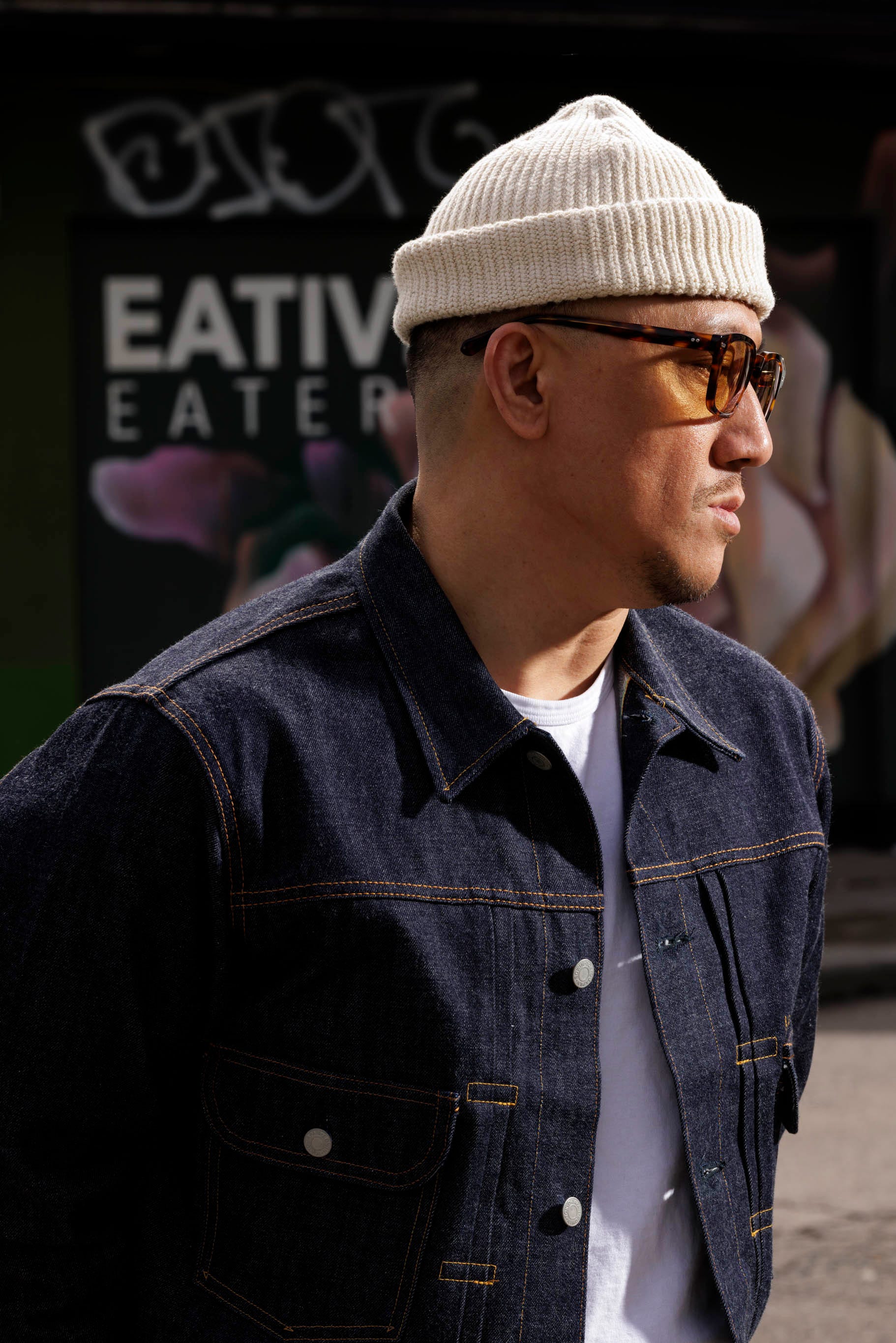
1. Problem-Solving
Your camera is not just a creative tool.
It is a solution tool.
Every image you create should answer a problem.
If you are making headshots, the problem is perception and first impressions.
If you are making product images, the problem is conversion and trust.
If you are making branding work, the problem is visibility and positioning.
If your image doesn’t solve something, it’s just decoration.
And decoration rarely gets paid consistently.
2. Technical Excellence
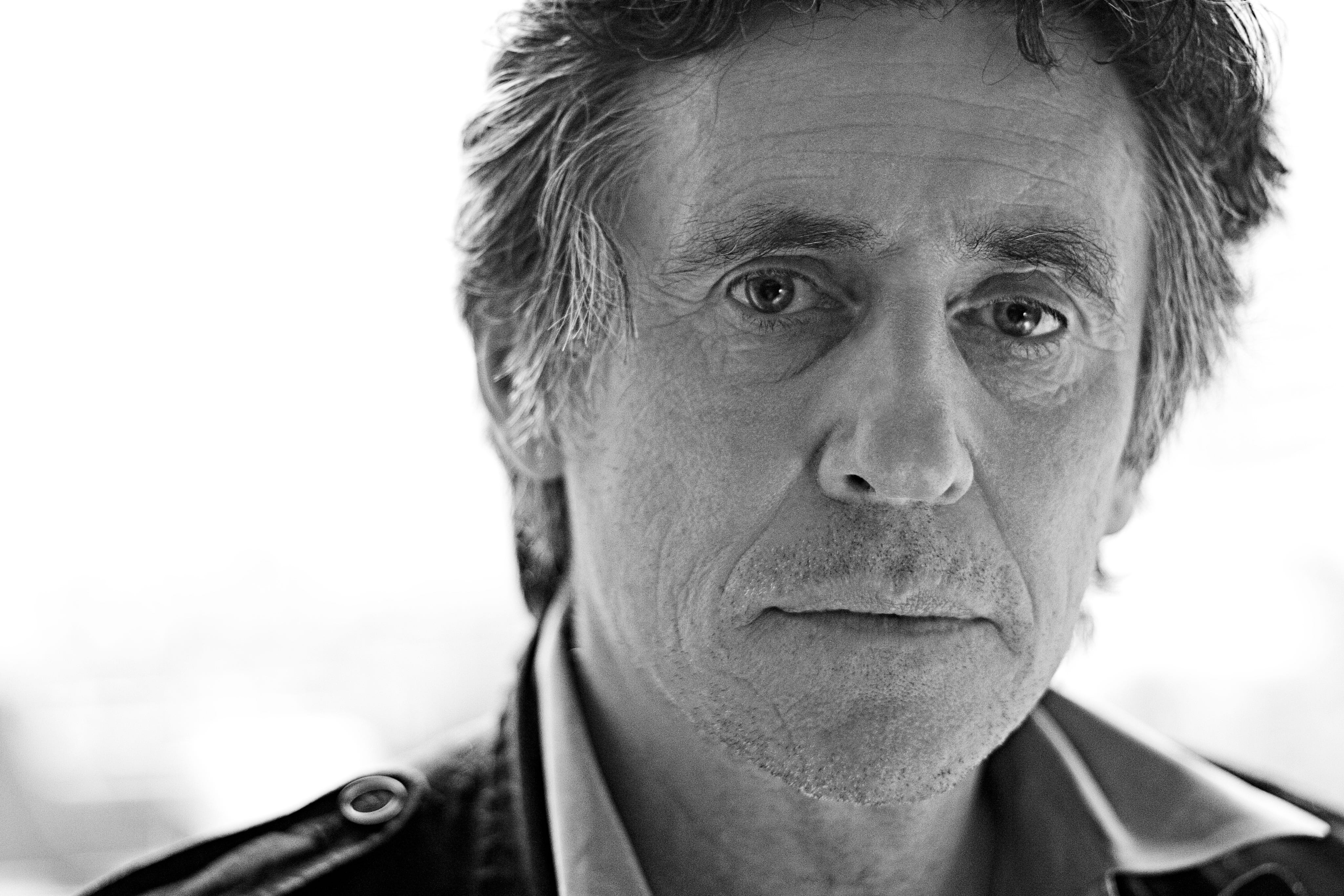
Clients don’t care about your gear.
They care about the result.
And now, with AI and automation improving, the expectation for polish is even higher.
That means your work needs to be clean, consistent, and intentional.
Strong lighting
Controlled composition
Accurate color
Professional retouching
Organized delivery
If your work doesn’t look premium, you can’t expect premium rates.
3. Market Awareness
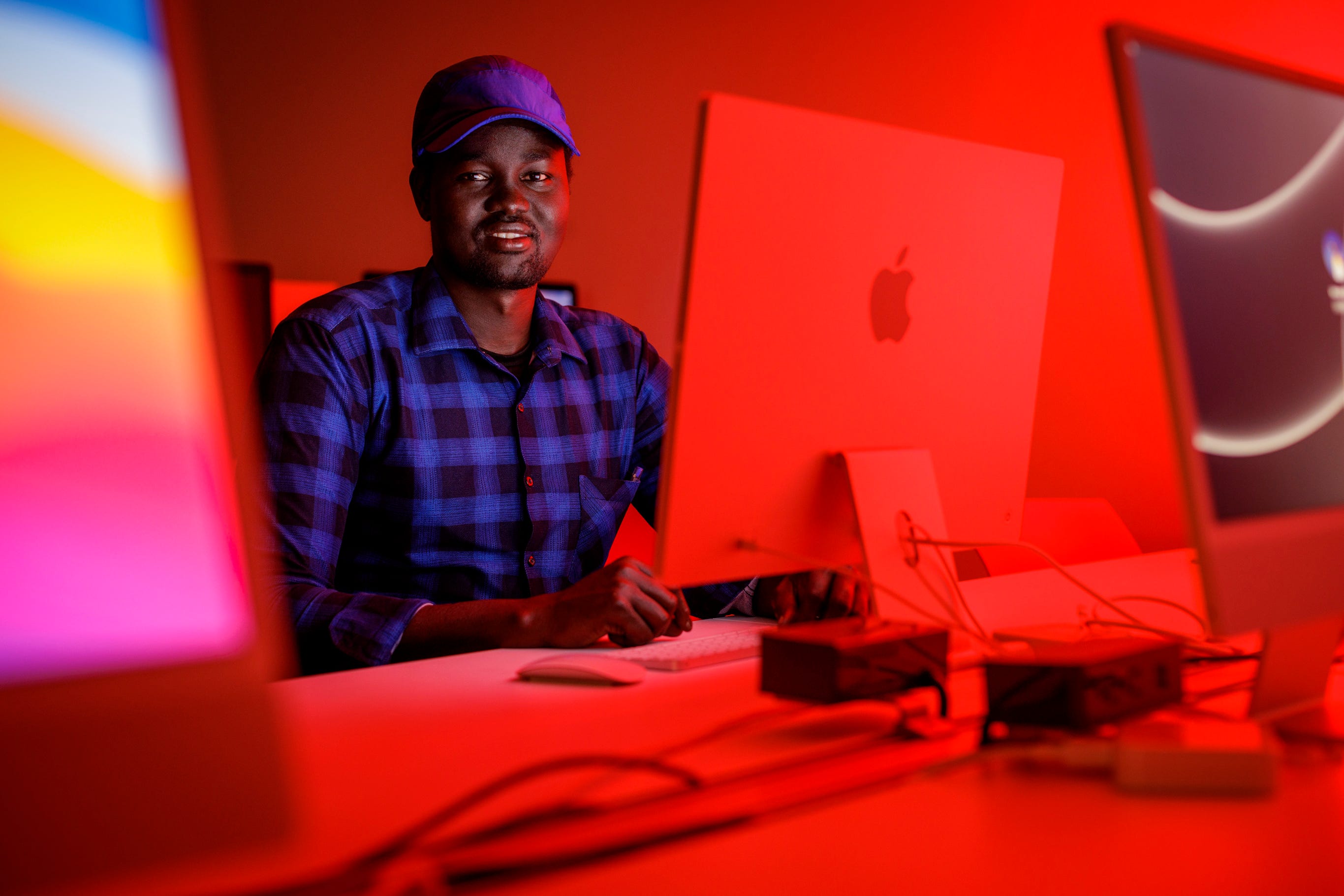
This is still where most photographers fall behind.
They don’t study the market.
They don’t study the client.
They don’t study what’s actually being used in real campaigns.
If you want to stay relevant, you need to understand three things.
Who is booking work in your niche
What their images look like
Why clients are choosing them
You also need to pay attention to trends without chasing them blindly.
The goal is not to copy.
The goal is to understand what works and why.
Building a Portfolio That Actually Gets You Paid
Your portfolio is not about showing everything you can do.
It is about proving you can solve a specific problem for a specific client.
That hasn’t changed.
If anything, it has become more important.
Here is how I approach it.
Solve one clear problem per image Your work should feel like it was made for a specific client, not just for you.
Leave room for usage Think like a designer. Brands need space for text, cropping, and layout.
Create variations Vertical, horizontal, wide, tight. Give clients options without reshooting.
Control your standard Your weakest image defines your level. If it doesn’t belong, remove it.
Show how you work Behind the scenes builds trust and positions you as a professional.

The Bottom Line Hasn’t Changed
If you want to build a career in photography, you cannot rely on beauty alone.
You need value.
You need intention.
You need direction.
Every image you create should have a path to monetization.
That can come through.
Direct client work
Licensing
Retainers
Commercial campaigns
But it starts with making pictures that have purpose.
The photographers who are thriving right now understand something very simple.
They are not chasing likes.
They are creating demand.

The Real Goal Moving Forward
I don’t want you thinking like an artist first.
I want you thinking like a problem solver who uses photography as the tool.
Because when your work helps someone achieve something real, everything changes.
Clients stop seeing your work as an expense.
They start seeing it as an investment.
And that’s when you stop chasing work.
And work starts finding you.
Thanks for reading me this week. I hope this brings you value.
I’ll see you next Saturday.